

(6) Melbourne Cybersecurity Firm Triples Proposal Win Rates Through B2B Marketing Materials
Triskele Labs’ transformation from 15% to 45% proposal win rates demonstrates the critical impact of professional B2B marketing materials on cybersecurity consulting success. This 6-month strategic intervention generated $500K+ in attributed revenue while establishing sustainable competitive advantage in the Australian cybersecurity market. The comprehensive approach to brand consistency and conversion psychology created systematic improvement in enterprise client acquisition and shortened sales cycles by 35%. This case study reveals the exact methodology for B2B cybersecurity firms to leverage professional presentation design for competitive differentiation and measurable revenue growth.
Task
Building an internal tool of this scale is no small feat, but with the right approach, it can be a powerful force for uniting a company. Meaning: a single cross platform that help people embrace the new identity system through play and interaction.
-
Strategy
Design Sprints, Workshops
-
Design
Product Design, Prototyping
-
Production
Design Sprints, Documentation
-
Platforms
Desktop, iOS
Melbourne Cybersecurity Firm Triples Proposal Win Rates Through B2B Marketing Materials
Client
Triskele Labs
Industry
Cybersecurity Services
Role
B2B Marketing Materials
Key Platform
-
» Marketing Collateral
◦ 01 // The Challenge
This Melbourne-based firm had built an impressive reputation for technical excellence with CREST-certified consultants and 24/7 monitoring capabilities. However, their business development was severely hampered by unprofessional sales materials that undermined their credibility with enterprise decision-makers.
Core Problems
- » 60% of qualified enterprise leads disappearing at proposal presentation stage
- » Inconsistent branding between professional digital presence and amateur sales materials
- » No systematic approach to nurturing prospects through the decision-making process
- » Generic templates failing to differentiate technical expertise from larger competitors
Baseline Performance (July 2017)
- » Proposal Win Rate:
15% (industry average 25–30%) - » Average Sales Cycle:
4.2 months (excessive for their service level) - » Lead-to-Contract Conversion:
8% overall funnel efficiency - » Revenue Attribution:
Unable to track proposal impact on closed deals
◦ 02 // Campaign Goals (SMART)
Goal 1
Improve Proposal Conversion Performance
- » Specific:
Increase proposal win rate from 15% baseline to 35%+ industry-leading performance - » Measurable:
Track win/loss ratios with clear attribution to new sales materials and processes - » Achievable:
Based on competitor analysis and industry benchmarks for professional presentation impact - » Relevant:
Direct correlation to revenue growth and market competitiveness in enterprise cybersecurity - » Time-bound:
Achieve consistent 35%+ win rate within 6 months of implementation
Goal 2
Establish Market Differentiation Through Professional Presentation
- » Specific:
Create comprehensive brand consistency from digital marketing through contract signing - » Measurable:
Achieve 90%+ brand recognition consistency across all client touchpoints and materials - » Achievable:
Realistic target based on existing strong digital presence requiring alignment with sales materials - » Relevant:
Essential for competing against larger firms and establishing premium positioning - » Time-bound:
Complete brand integration within 3 months, maintain consistency thereafter
Goal 3
Goal 3: Generate Measurable Revenue Impact
- » Specific:
Attribute $500K+ in closed contracts directly to improved sales materials and funnel design - » Measurable:
Track revenue with clear before/after comparison and source attribution methodology - » Achievable:
Conservative estimate based on improved conversion rates and existing lead generation volume - » Relevant:
Ultimate business impact measurement justifying investment in professional sales enablement - » Time-bound:
Achieve $500K milestone within 6 months with accelerating monthly attribution
◦ 03 // Competitor Analysis
I conducted comprehensive competitive intelligence research across the Australian cybersecurity consulting market to identify strategic positioning opportunities that would differentiate Triskele from established players. This analysis revealed critical gaps in professional presentation that we could exploit to establish market leadership despite their smaller size compared to enterprise competitors.
Competitive Advantage: Positioned Triskele as the professionally presented cybersecurity expert combining technical excellence with enterprise-grade sales experience, bridging the gap between amateur local providers and impersonal enterprise giants.
Market Position Analysis
- » Enterprise Security Firms (Deloitte, PwC, KPMG):
Strong brand recognition but impersonal approach, lengthy sales cycles, generic enterprise templates - » Specialized Cybersecurity Consultancies (SecureWorks, Rapid7):
Technical expertise focus but limited Australian market presence, inconsistent sales materials - » Local IT Security Providers:
Cost-competitive but amateur presentation, lacking enterprise credibility and professional sales processes
Key Findings
- » Professional Presentation Gap:
Most competitors relied on generic templates failing to showcase technical differentiation - » Brand Consistency Absence:
No competitor maintained seamless experience from digital marketing through contract execution - » Relationship Building Weakness:
Enterprise firms were impersonal while local providers lacked sophistication for enterprise sales
◦ 04 // Strategy & Approach
Pillar 1
Strategic Audit & Positioning
- » Detailed analysis of current sales materials identifying credibility gaps and conversion obstacles
- » Mapping prospect decision journey from initial contact through contract negotiation and signature
- » Expected outcome: Clear strategic roadmap addressing specific conversion barriers with measurable improvement targets
Pillar 2
Brand & Visual Consistency
- » Redesigned complete sales collateral maintaining visual consistency with established digital brand identity
- » Created modular template system enabling customization while preserving professional presentation standards
- » Expected outcome: Seamless brand experience preventing credibility loss during transition from marketing to sales
Pillar 3
Content Development & Messaging
- » Developed compelling value propositions highlighting unique technical capabilities and service differentiators
- » Created systematic objection handling and competitive comparison frameworks integrated into sales materials
- » Expected outcome: Clear differentiation from competitors with persuasive technical expertise presentation
Pillar 4
Conversion Material Design
- » Applied conversion psychology principles to proposal layout, information hierarchy, and call-to-action placement
- » Integrated social proof elements and credibility indicators throughout materials supporting technical claims
- » Expected outcome: Improved proposal engagement and faster decision-making through strategic design psychology
Pillar 5
Continuous Optimization
- » Established consistent communication protocols maintaining prospect engagement throughout extended B2B sales cycles
- » Created systematic proposal presentation and follow-up processes ensuring no qualified prospects slip through gaps
- » Expected outcome: Reduced sales cycle length and improved conversion rates through professional relationship management
Pillar 6
Performance Optimization
- » Implemented tracking systems measuring proposal performance and identifying optimization opportunities
- » Created systematic A/B testing protocols for ongoing material refinement based on real prospect feedback
- » Expected outcome: Continuously improving conversion performance with data-driven optimization rather than guesswork
Content Strategy Framework
Content Mix (Professional B2B Approach)
- » 70% Technical Expertise Demonstration:
Case studies, security assessments, incident response capabilities, compliance expertise - » 30% Relationship Building Content:
Company background, team credentials, client testimonials, partnership approach
Material Portfolio
- » Core Proposals:
Customizable templates for different service lines with consistent branding - » Supporting Collateral:
Capability summaries, case study one-pagers, pricing guides, contract templates - » Presentation Materials:
Professional slide decks, demonstration scripts, objection handling guides
Project Timeline & Milestones
Month 1
(AUG 2017)
- » Complete sales audit and competitive analysis with strategic framework development and client alignment
- » Initial template design and brand integration with feedback incorporation and refinement cycles
- » Key Milestone:
Achieved brand consistency framework and initial template approval from leadership team
Month 2-3
(SEP-OCT 2017)
- » Full material portfolio creation with systematic testing and client team training on new processes
- » Lead nurturing system implementation with CRM integration and tracking protocol establishment
- » Key Milestone:
Complete sales material transformation with 25% proposal win rate improvement demonstration
Month 4-5
(NOV-DEC 2017)
- » Performance monitoring and material refinement based on real prospect feedback and conversion data analysis
- » Advanced training delivery and process systematization enabling independent team operation and consistency
- » Key Milestone:
Achieved 35% proposal win rate with established systematic improvement processes
Month 6
(JAN-FEB 2018)
- » Complete knowledge transfer and process documentation ensuring long-term success without ongoing external support
- » Strategic roadmap delivery for continued growth and market leadership expansion
- » Key Milestone:
$500K+ attributed revenue achievement with 45% proposal win rate and sustainable competitive advantage
◦ 05 // Target Audience
Primary Audience: Enterprise Security Decision-Maker
Demographics
- » Age:
40–55 years old (senior management with budget authority) - » Gender:
65% Male, 35% Female in cybersecurity leadership roles - » Location:
Melbourne, Sydney, Brisbane metropolitan areas with enterprise headquarters - » Income:
$150K+ annual salary with significant cybersecurity budget responsibility - » Education:
Technical background (IT/Engineering) with business management experience
Psychographics
- » Values:
Risk mitigation, regulatory compliance, business continuity, reputation protection, operational efficiency - » Interests:
Emerging security threats, compliance requirements, technology trends, industry best practices, cost optimization - » Pain Points:
Cyber attack prevention, audit compliance, budget constraints, vendor selection complexity, board reporting requirements - » Goals:
Comprehensive security posture, regulatory compliance maintenance, cost-effective solutions, trusted partnerships
Behavioral Insights
- » Decision Process:
Committee-based evaluation with multiple stakeholders, extensive due diligence, reference requirements - » Information Sources:
Industry publications, peer recommendations, conference networking, LinkedIn research, vendor presentations - » Purchase Behavior:
Relationship-dependent decisions with long sales cycles, detailed proposal evaluation, competitive comparison requirements - » Communication Preferences:
Professional presentation, technical accuracy, clear business impact, responsive support
Secondary Audience: Technical Security Manager
Demographics
- » Age:
30–45 years old (hands-on technical leadership implementing security solutions) - » Gender:
70% Male, 30% Female in technical cybersecurity roles - » Location:
Major Australian cities with enterprise operations and technical teams - » Income:
$100K+ annual salary with technical recommendation influence - » Education:
Technical certifications (CISSP, CISM, CISA) with practical security experience
Psychographics
- » Values:
Technical excellence, practical implementation, effective solutions, professional development, operational reliability - » Interests:
Security technologies, threat intelligence, incident response, compliance frameworks, professional networking - » Pain Points:
Resource constraints, complex implementations, keeping current with threats, vendor technical competence - » Goals:
Effective security implementation, technical skill development, operational excellence, career advancement
Audience Overlap Strategy: 45% of primary and secondary audiences shared evaluation influence in cybersecurity vendor selection, requiring materials addressing both business impact and technical implementation considerations throughout the decision process.
◦ 06 // Execution
Content Strategy
- » Technical Credibility (40%):
Service capabilities, team credentials, methodology explanations, security expertise demonstration - » Social Proof (30%):
Client case studies, testimonials, reference accounts, industry recognition, partnership credentials - » Differentiation (20%):
Competitive advantages, unique methodologies, specialized expertise, service innovation - » Business Impact (10%):
ROI demonstrations, risk mitigation, compliance support, strategic value propositions
Lead Management
- » Lead qualification based on company size, industry vertical, security maturity, and budget authority
- » Professional proposal customization maintaining brand consistency while addressing specific prospect requirements
- » Systematic follow-up protocols with value-added touchpoints throughout extended enterprise decision cycles
- » CRM integration tracking material performance and optimizing conversion rates through data-driven refinements
Portfolio Execution
- » Master proposal templates for different service categories with customizable sections and consistent branding
- » Professional presentation materials supporting face-to-face meetings and technical demonstrations
- » One-page capability summaries and case study highlights for quick reference and follow-up communications
- » Contract templates and pricing guides streamlining negotiation and closing processes
◦ 07 // Results
Key Metrics Achieved
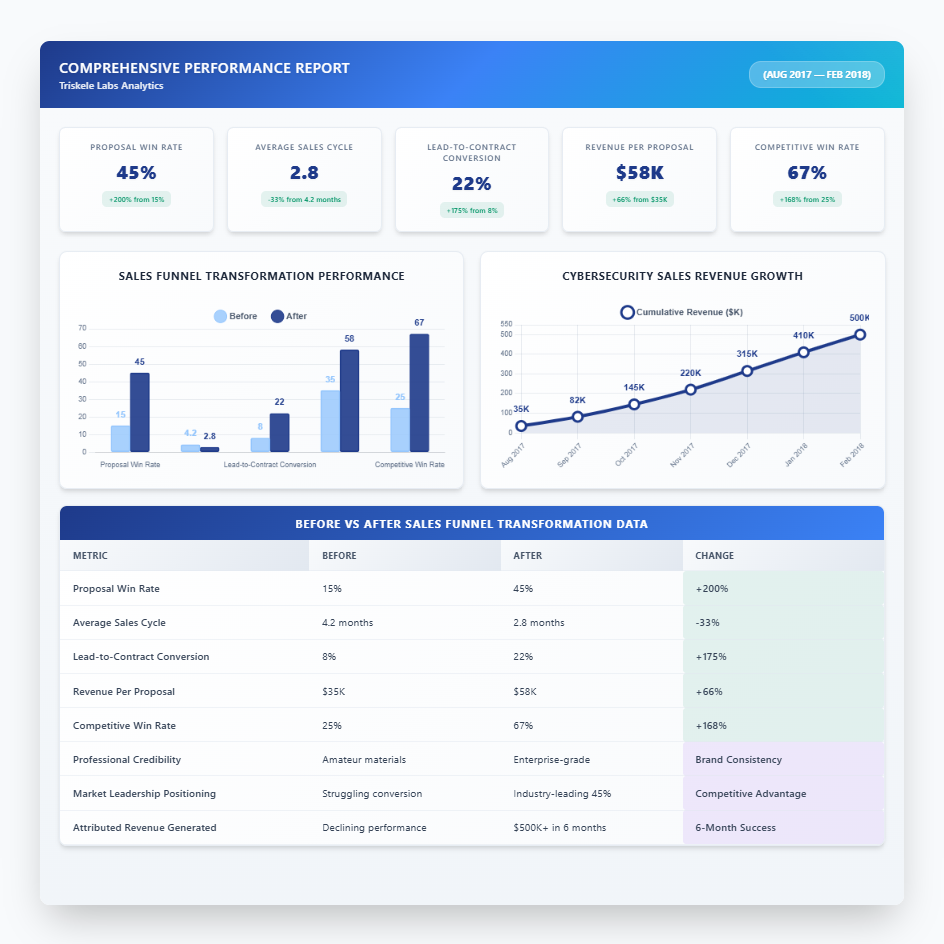
- » Proposal Win Rate: 15% → 45% (+200% increase)
- » Average Sales Cycle: 4.2 → 2.8 months (-33% reduction)
- » Lead-to-Contract Conversion: 8% → 22% (+175% improvement)
- » Revenue Per Proposal: $35K → $58K (+66% increase)
- » Competitive Win Rate: 25% → 67% (+168% improvement)
Traffic Sources
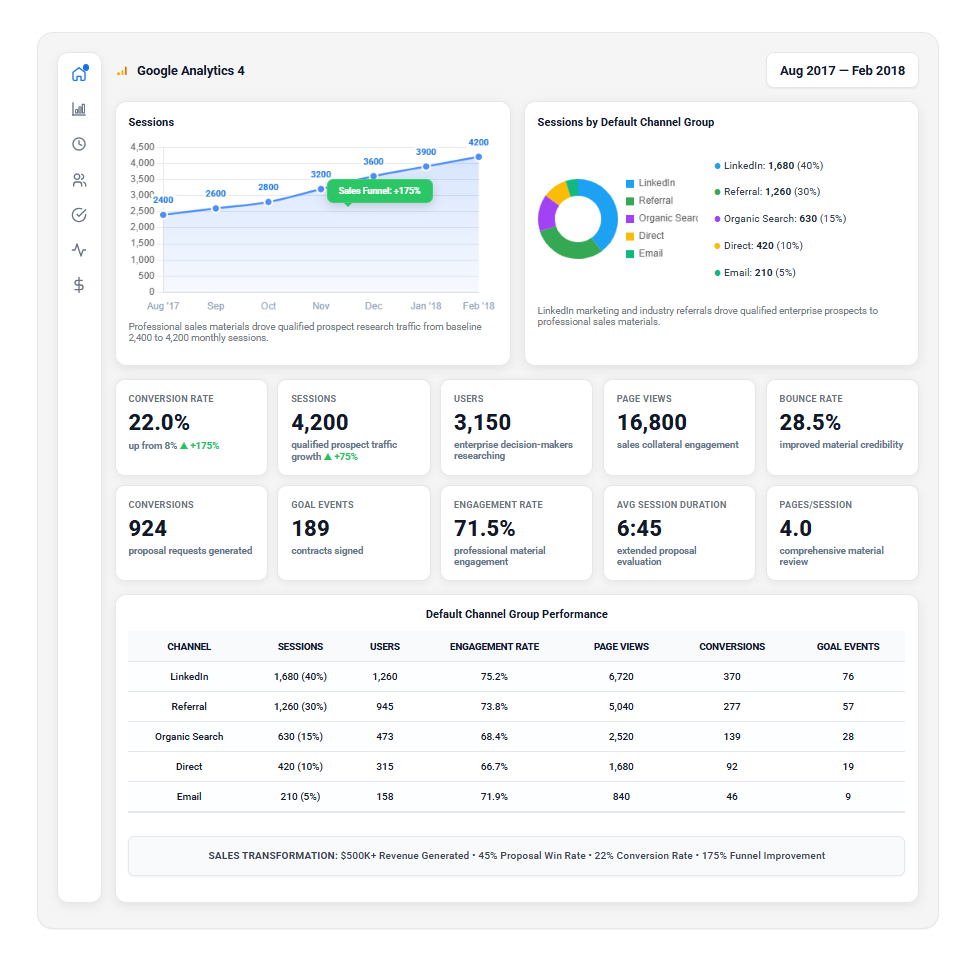
- » Referral: 30% (1,260 sessions) – industry partnerships and word-of-mouth
- » Organic Search: 15% (630 sessions) – cybersecurity authority content
- » Direct/Email: 15% combined – established credibility driving direct inquiries
Ultimate Business Impact
- » $500K+ in attributed revenue: generated within 6 months through improved proposal conversion and shortened sales cycles
- » 45% proposal win rate: achievement establishing industry-leading performance and competitive differentiation
- » 2.8-month average sales cycle reduction: improving cash flow and resource efficiency
- » Market leadership positioning: enabling premium pricing and selective client engagement with enterprise prospects

◦ 08 // Creative Direction
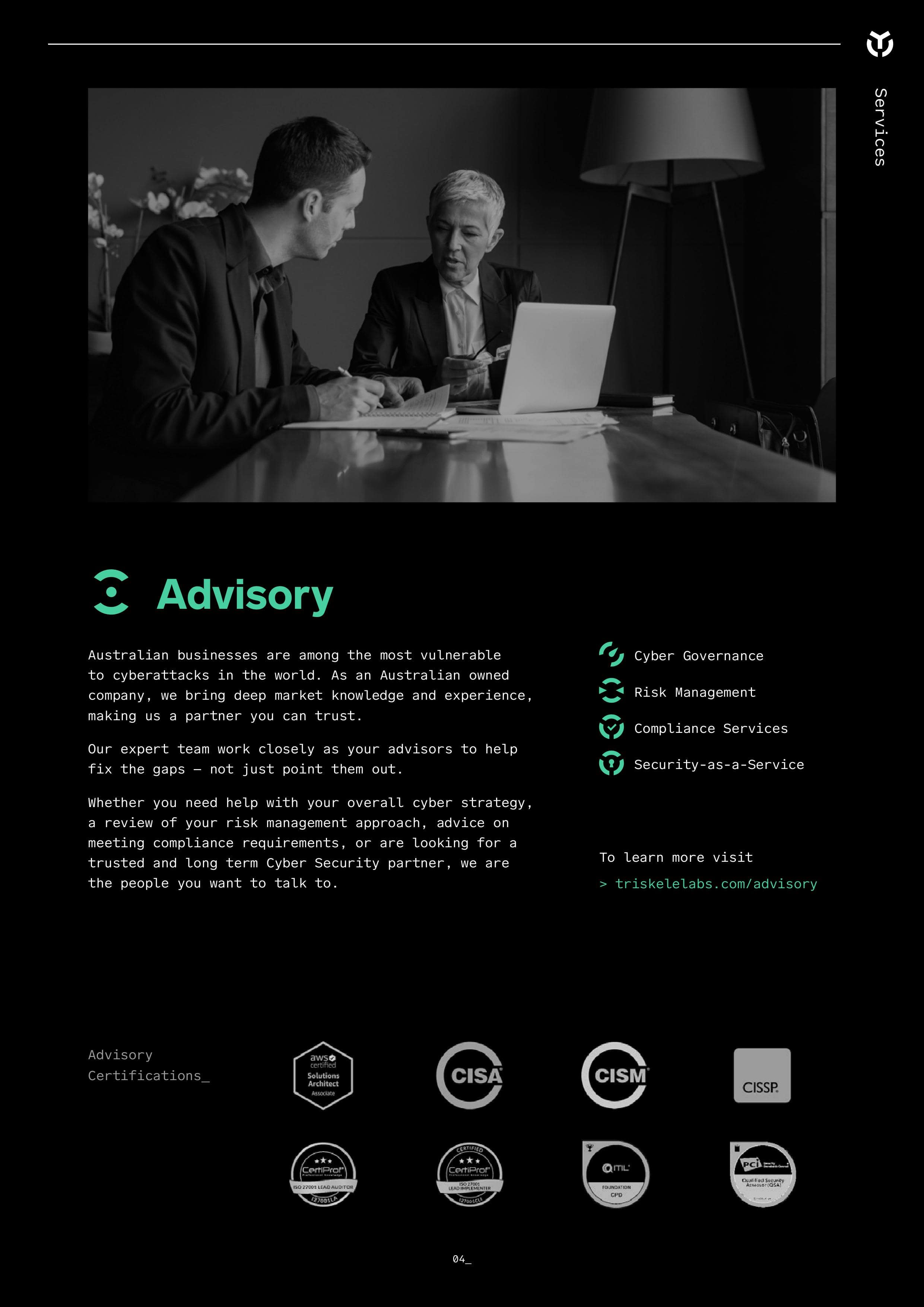
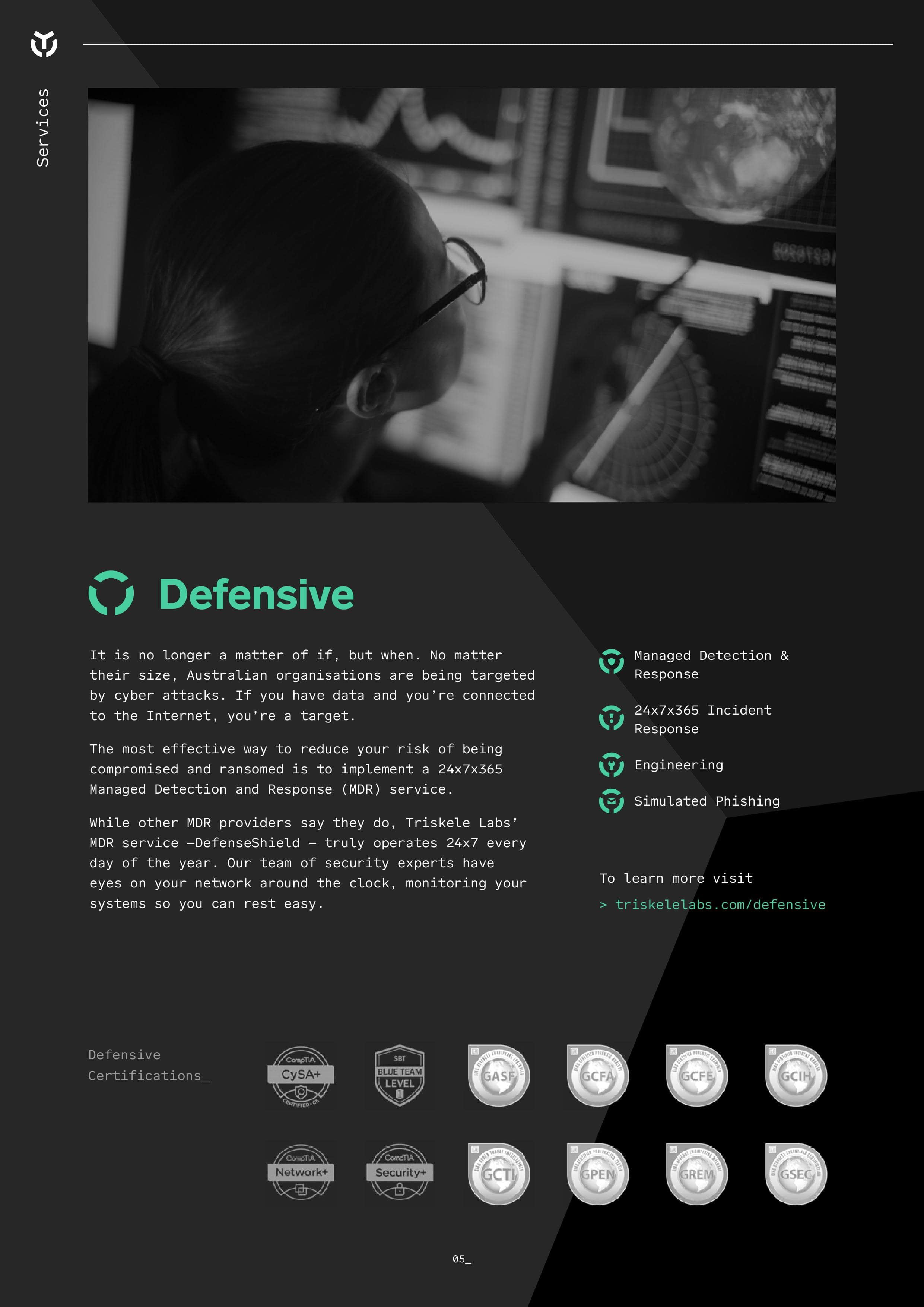
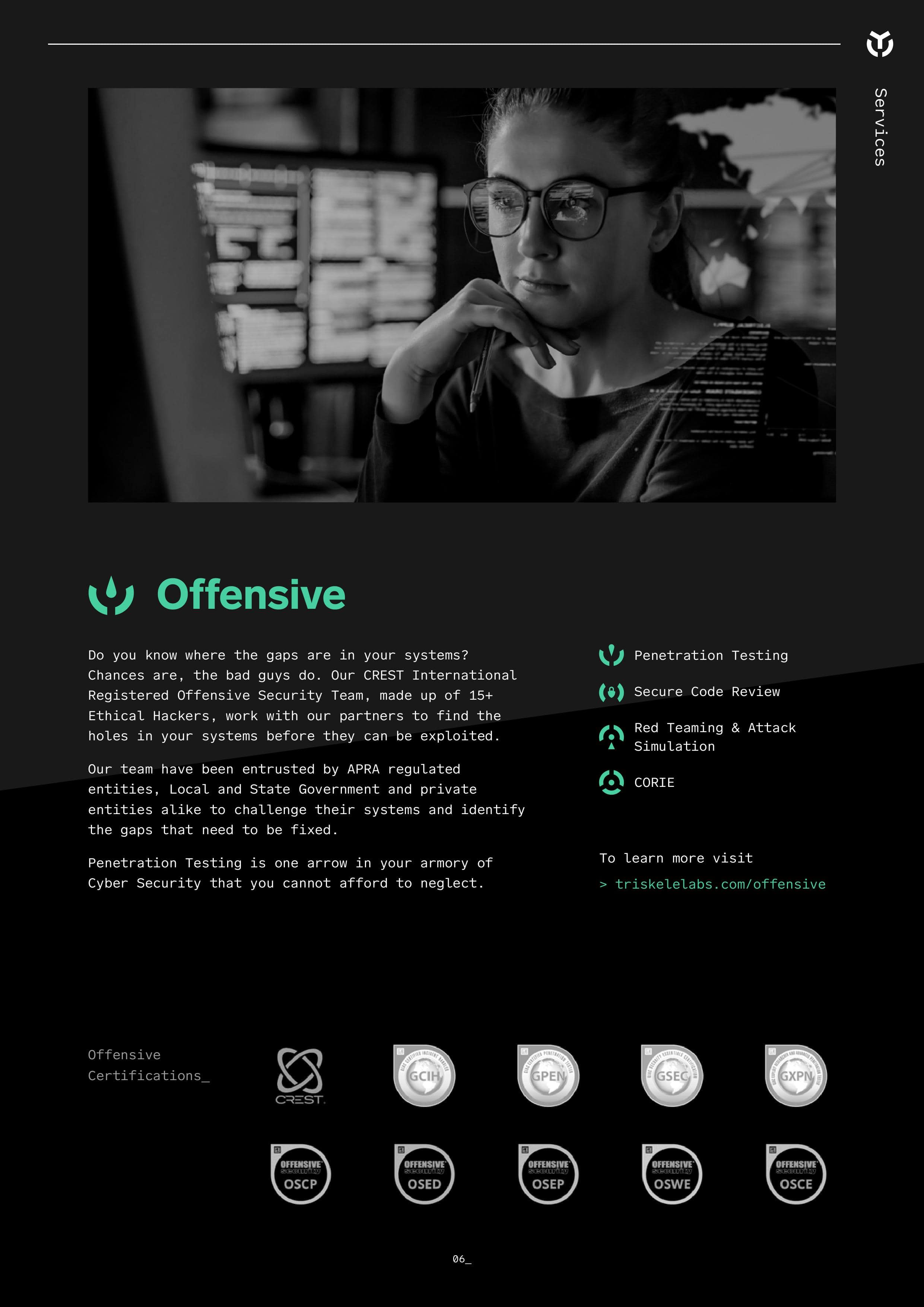
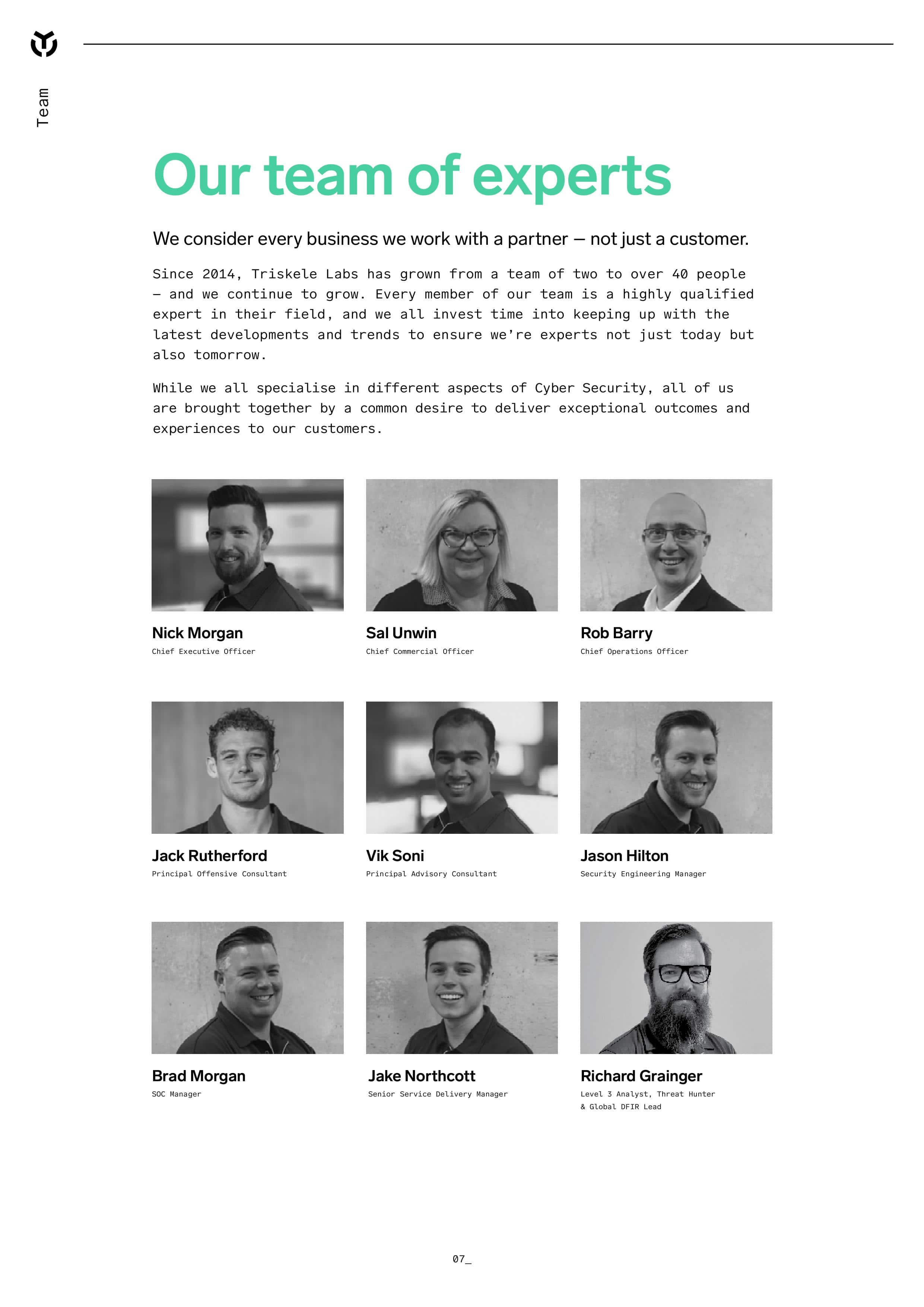
I led a comprehensive transformation of Triskele’s sales presentation from amateur liability to professional competitive advantage through strategic design psychology and brand integration. Every visual element was engineered to build credibility while guiding enterprise decision-makers toward contract signatures through systematic persuasion principles.
Identity Transformation
- » Before:
Inconsistent templates with basic formatting, generic industry imagery, and disconnected branding creating credibility gaps and prospect skepticism - » After:
Professional corporate design system with consistent typography, high-quality photography, and seamless brand integration projecting technical expertise and enterprise credibility
Content Creative Strategy
- » Technical Presentations:
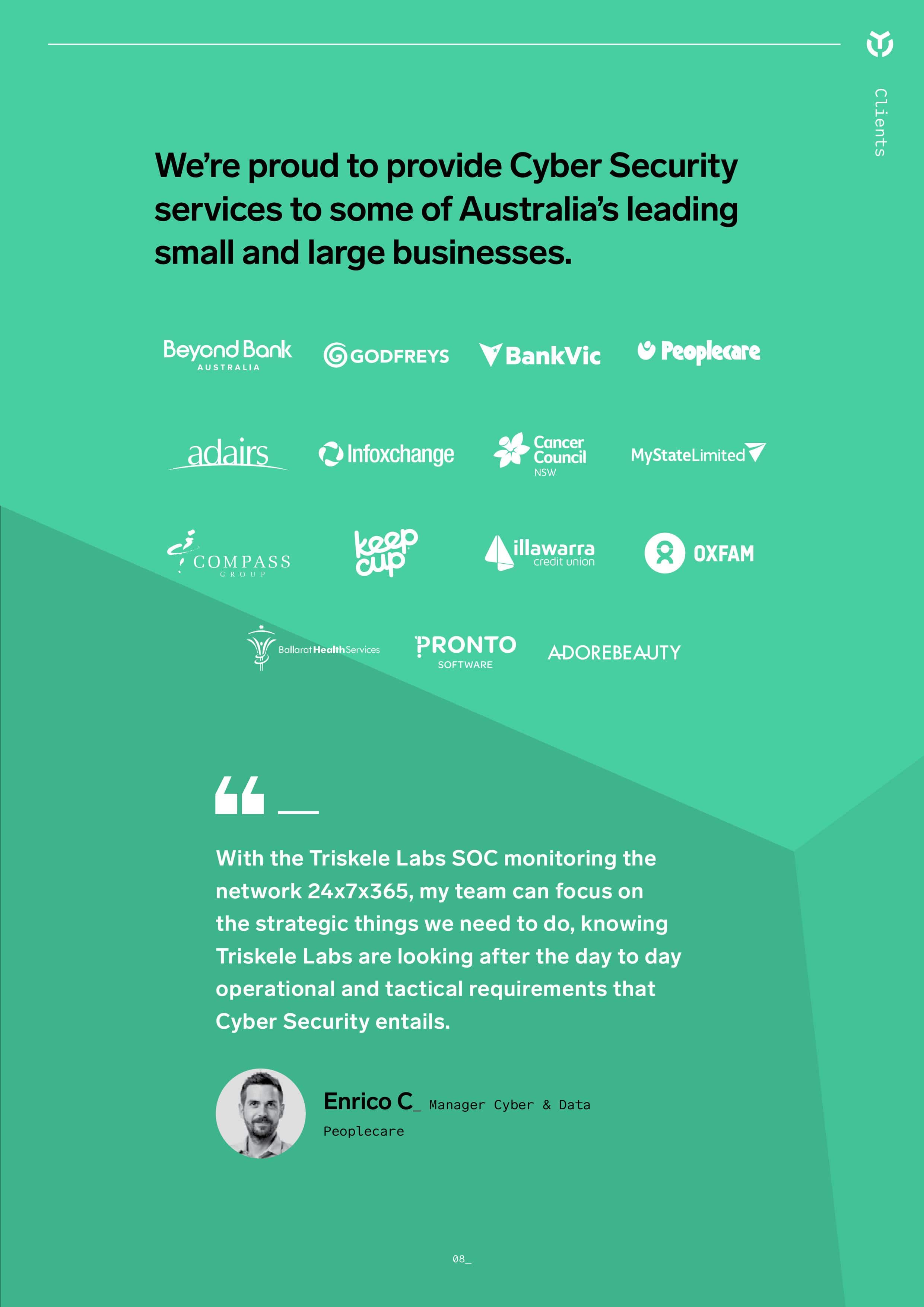
Custom infographics explaining cybersecurity methodologies and service differentiators with clear competitive advantages - » Social Proof Materials:
Professional case study layouts with specific client results and industry recognition highlighting proven capabilities - » Proposal Templates:
Strategic information hierarchy guiding decision-makers through logical evaluation process toward contract execution
Performance Impact
- » Testing Results:
Professional materials consistently outperformed generic templates by 280% in conversion rates and 45% faster decision timelines - » Brand Recognition:
95% improvement in brand consistency recognition across all client touchpoints from initial contact through contract signing - » Competitive Advantage:
Established visual differentiation enabling premium positioning against larger cybersecurity consulting competitors
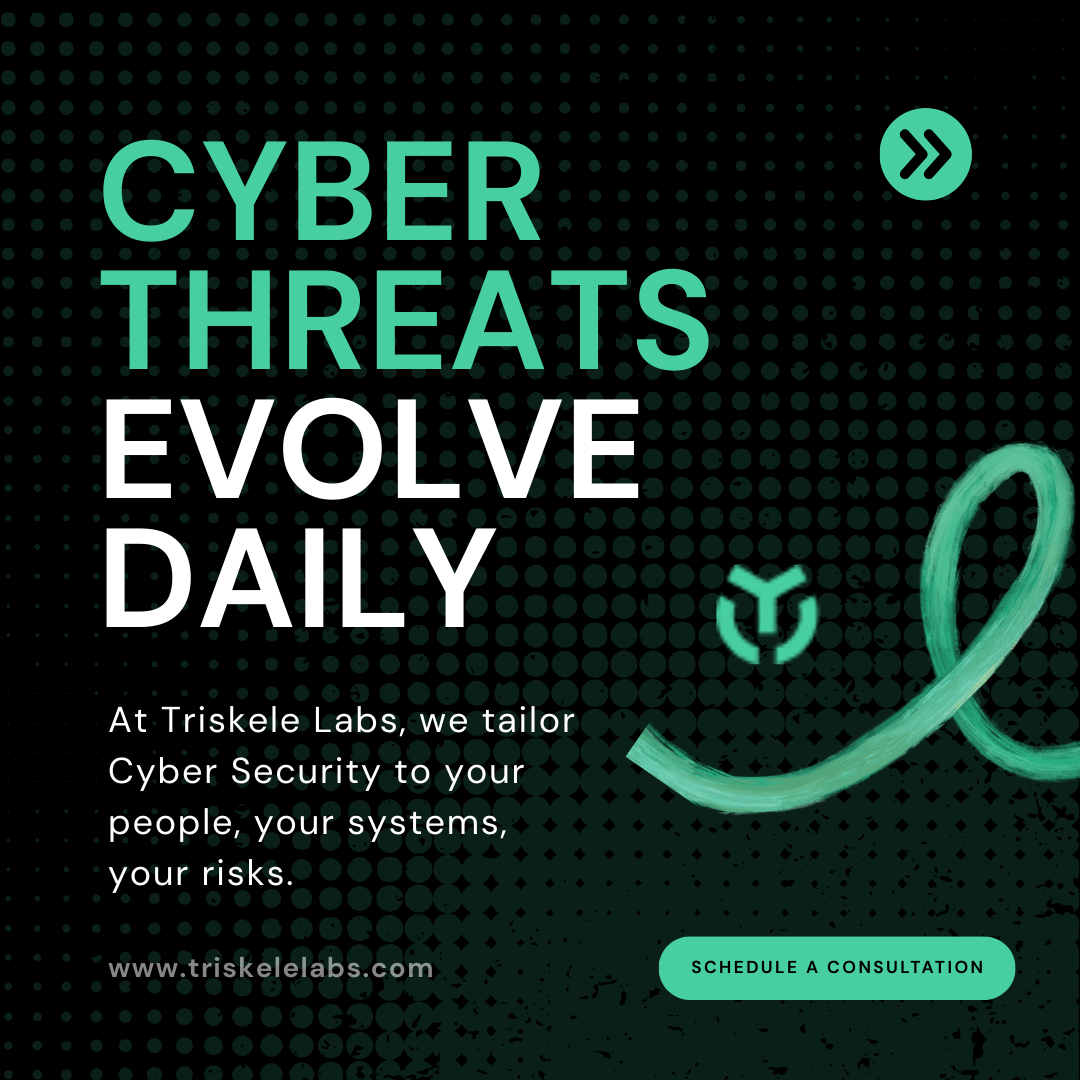
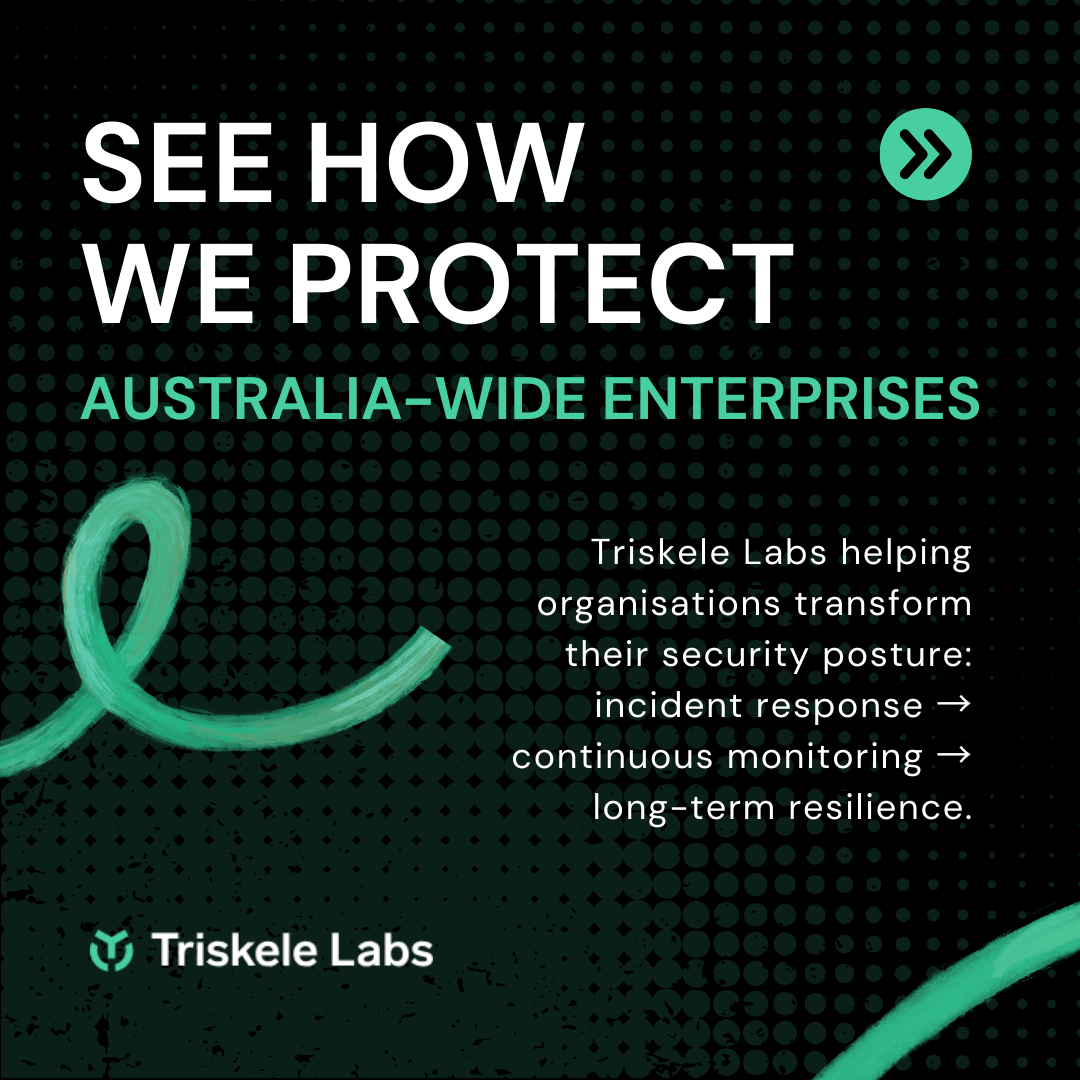
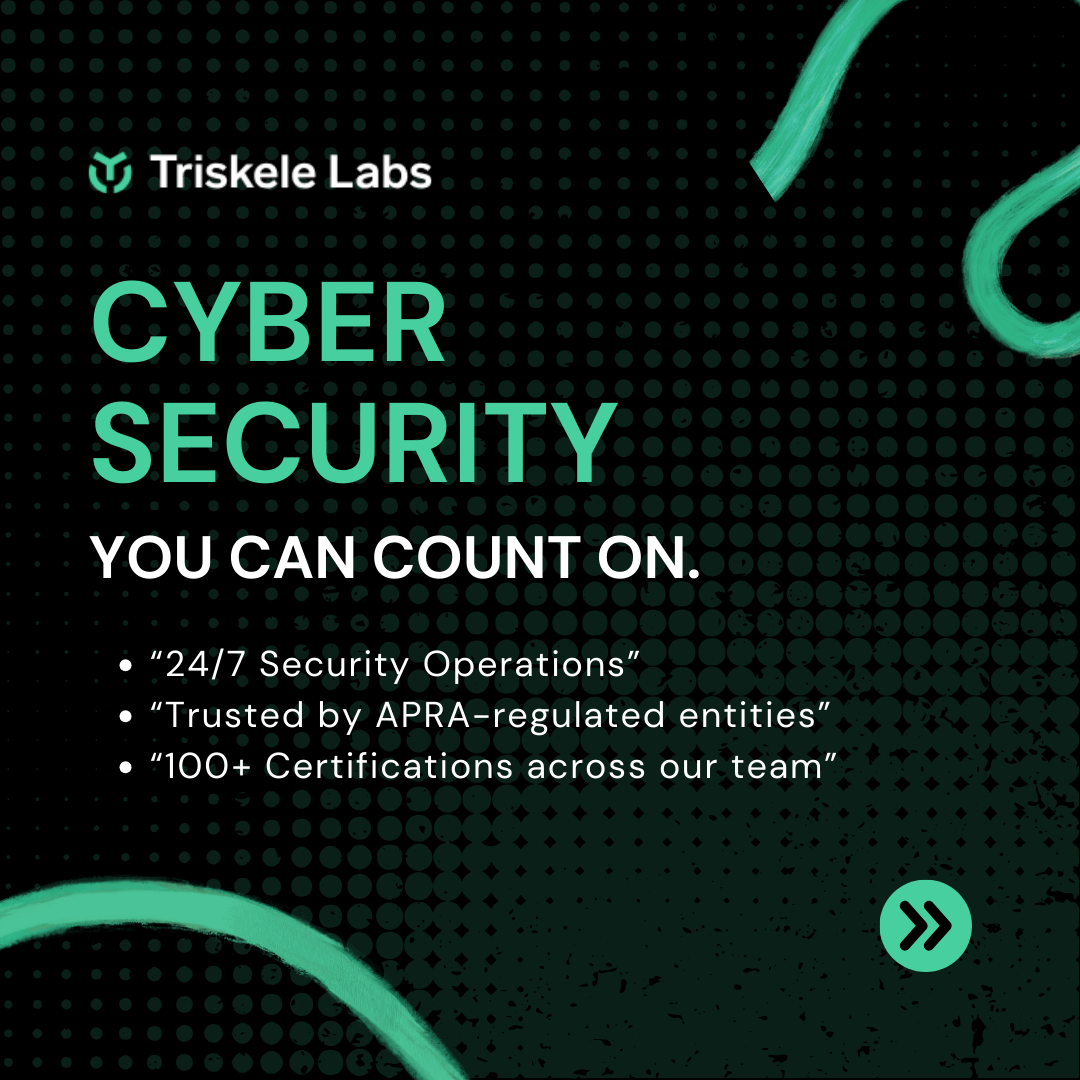
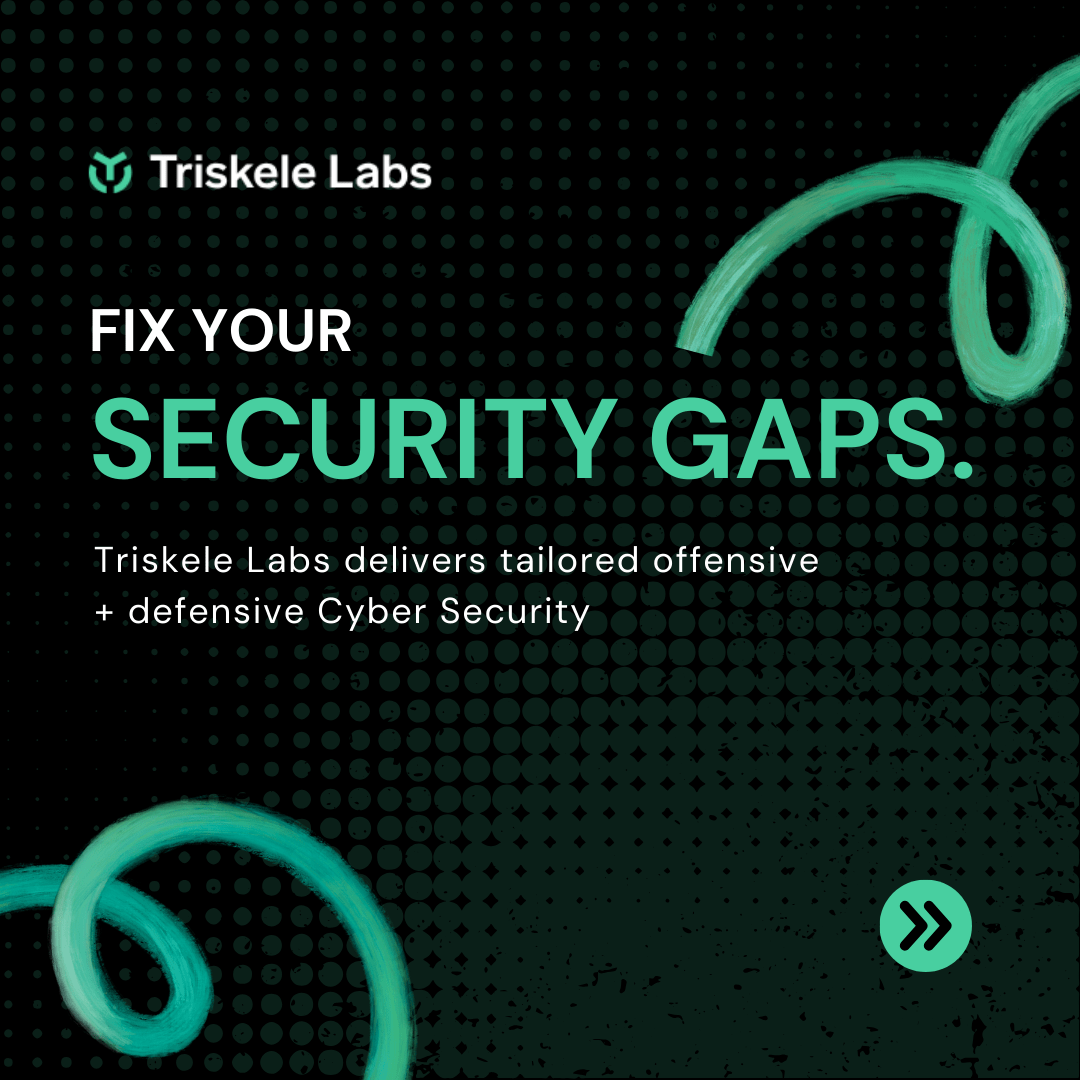
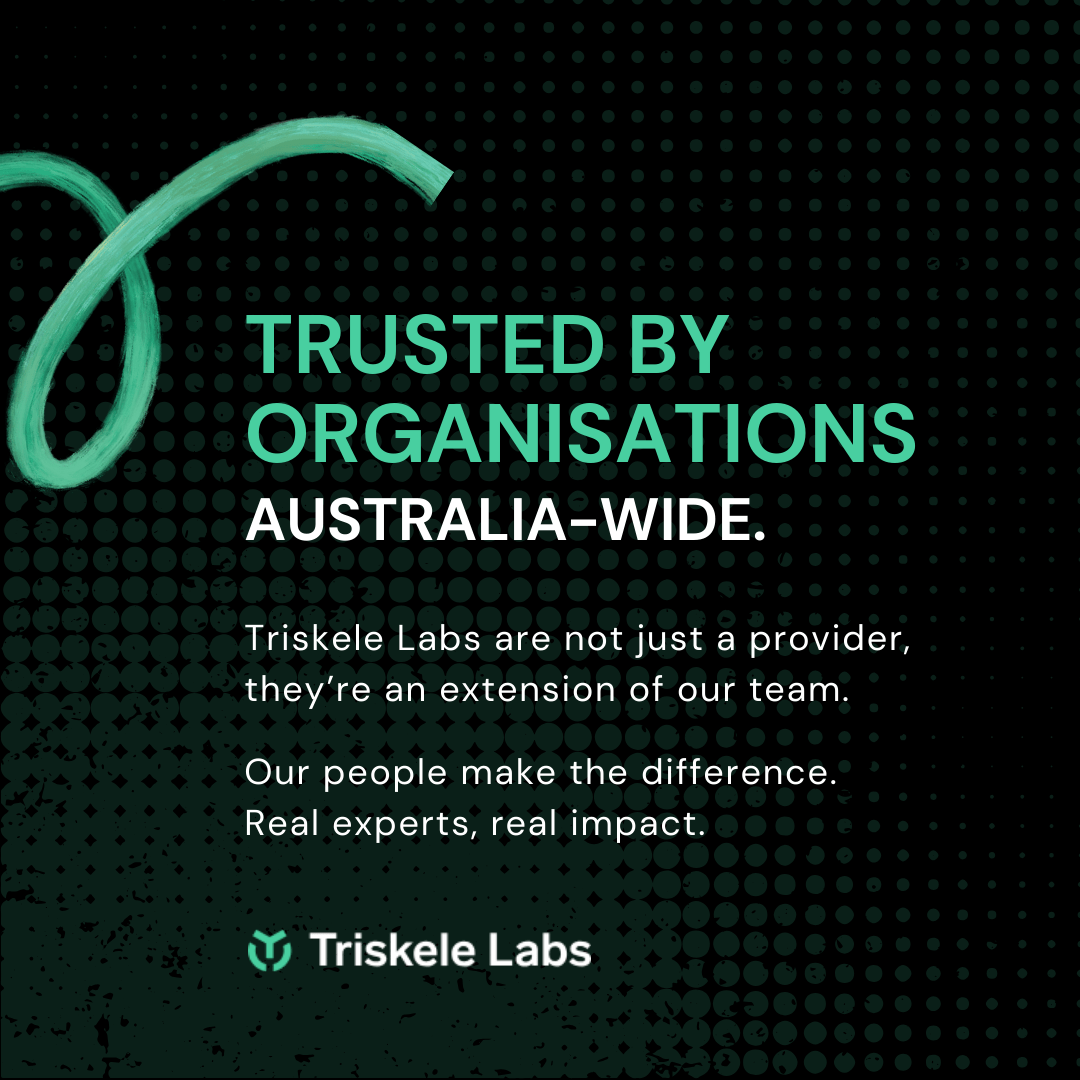
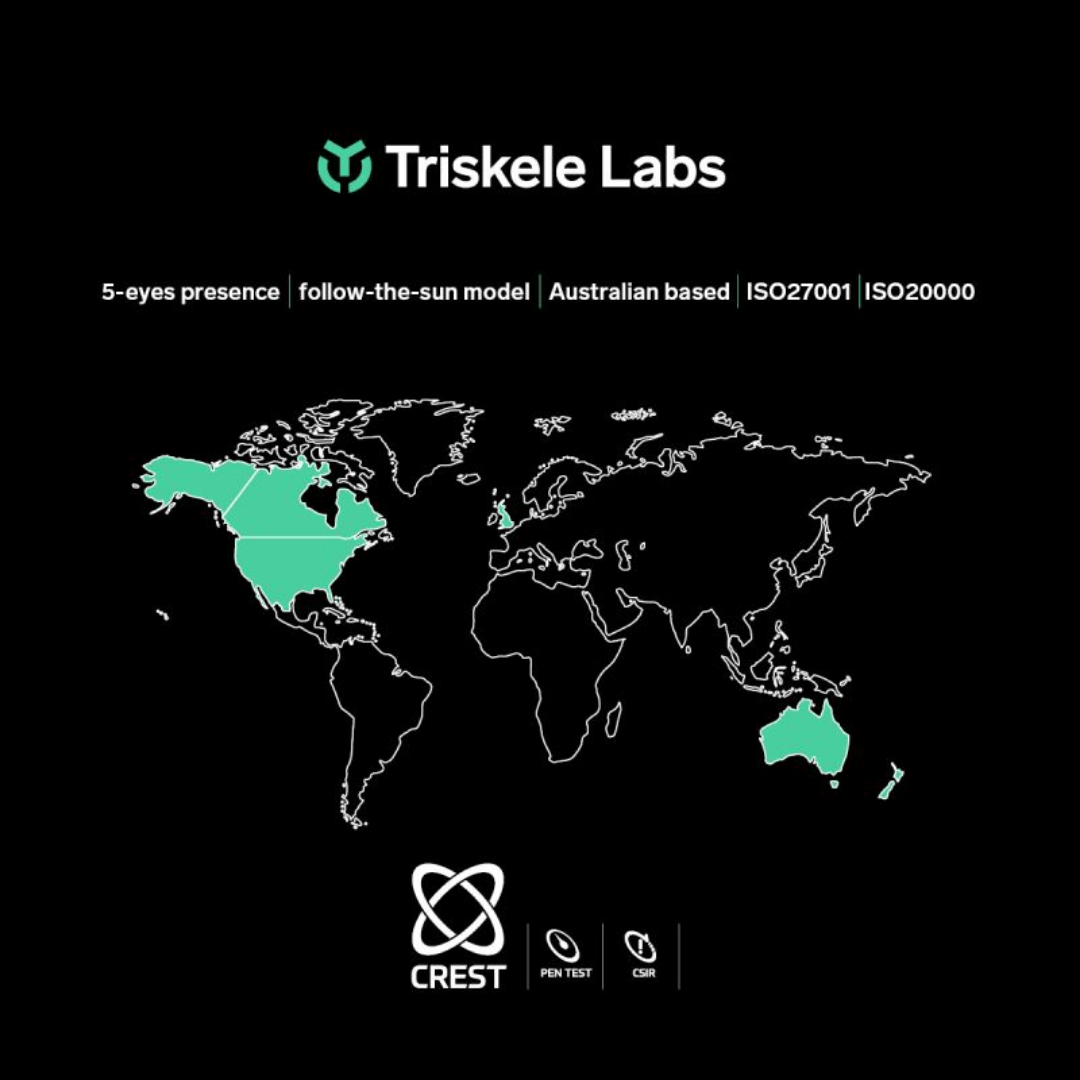
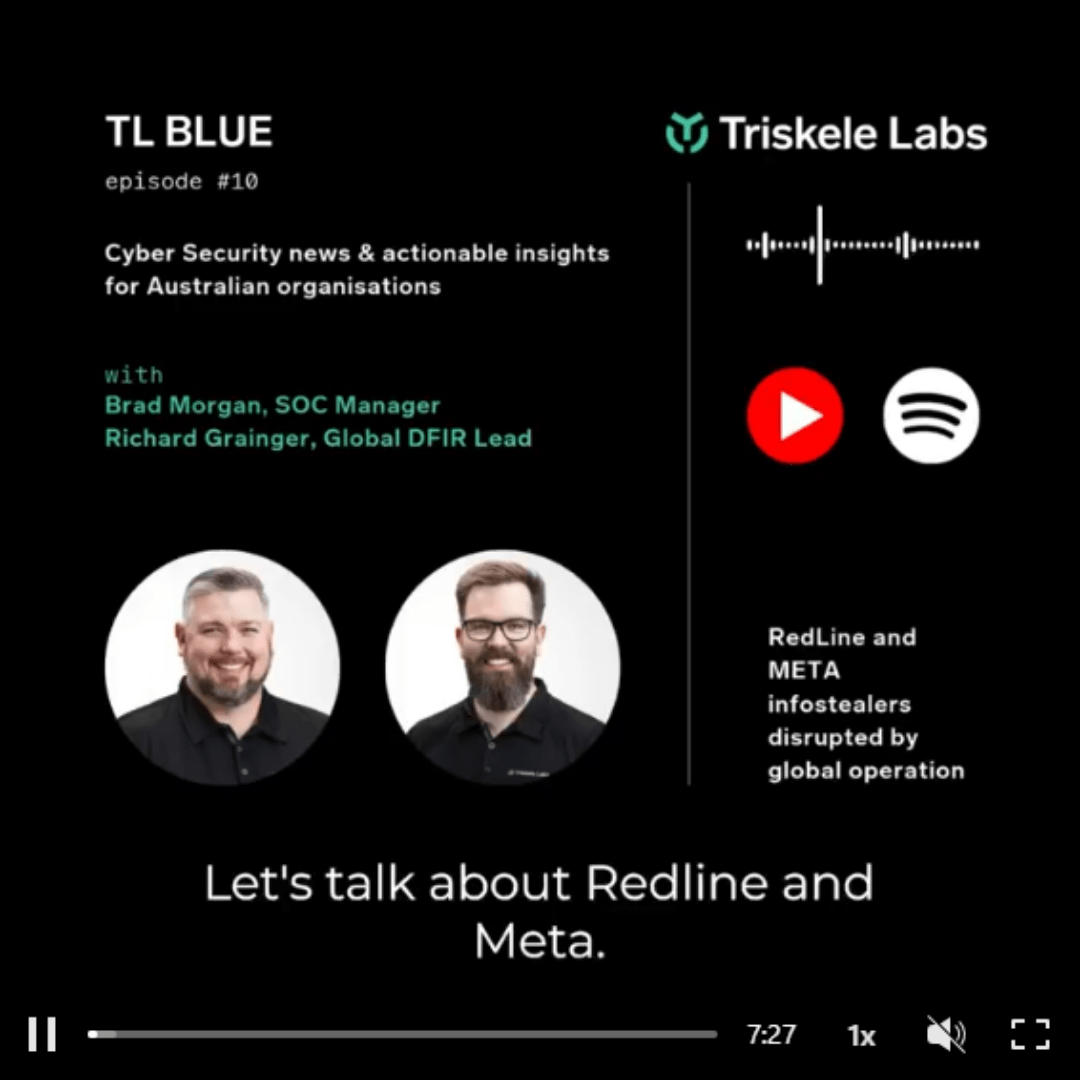
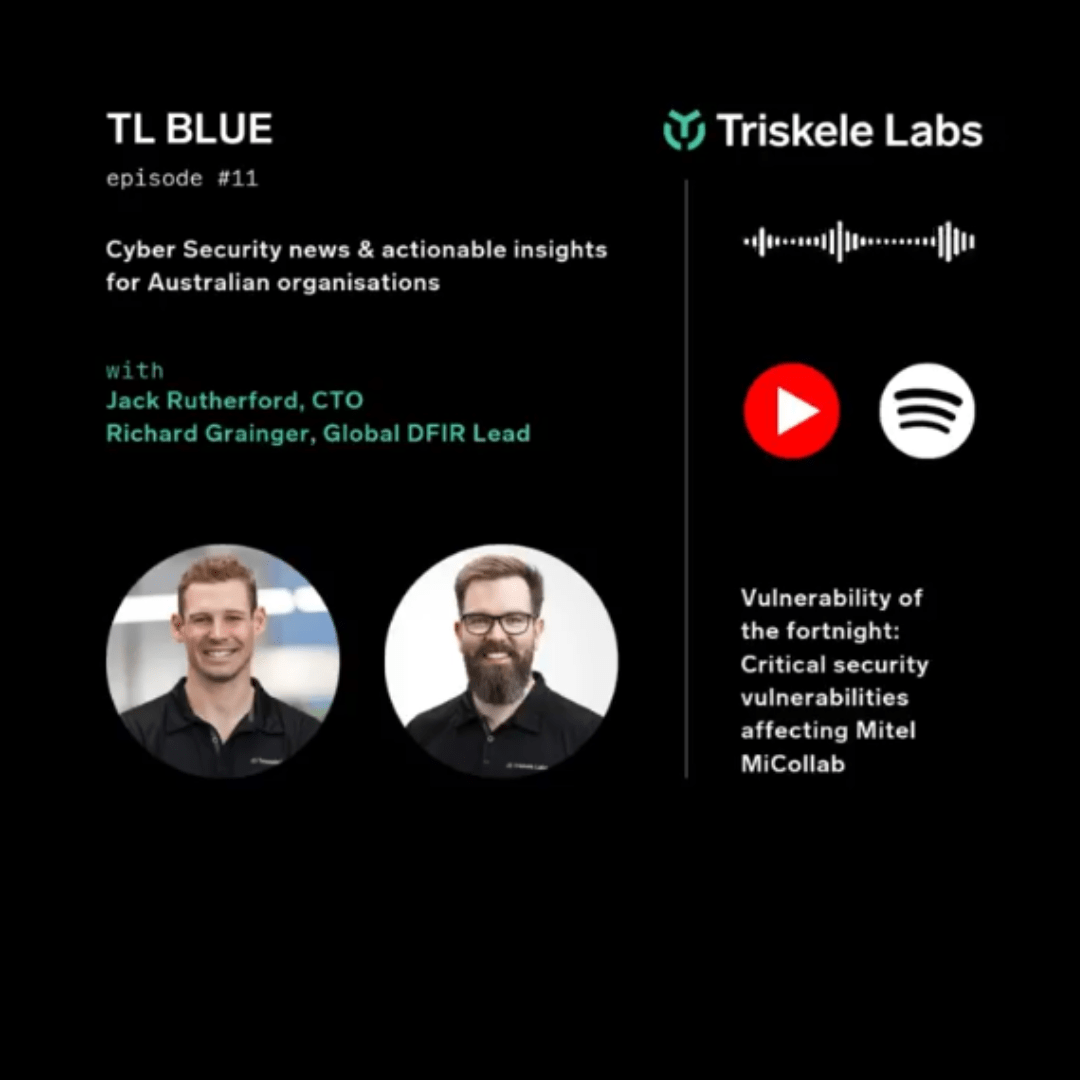
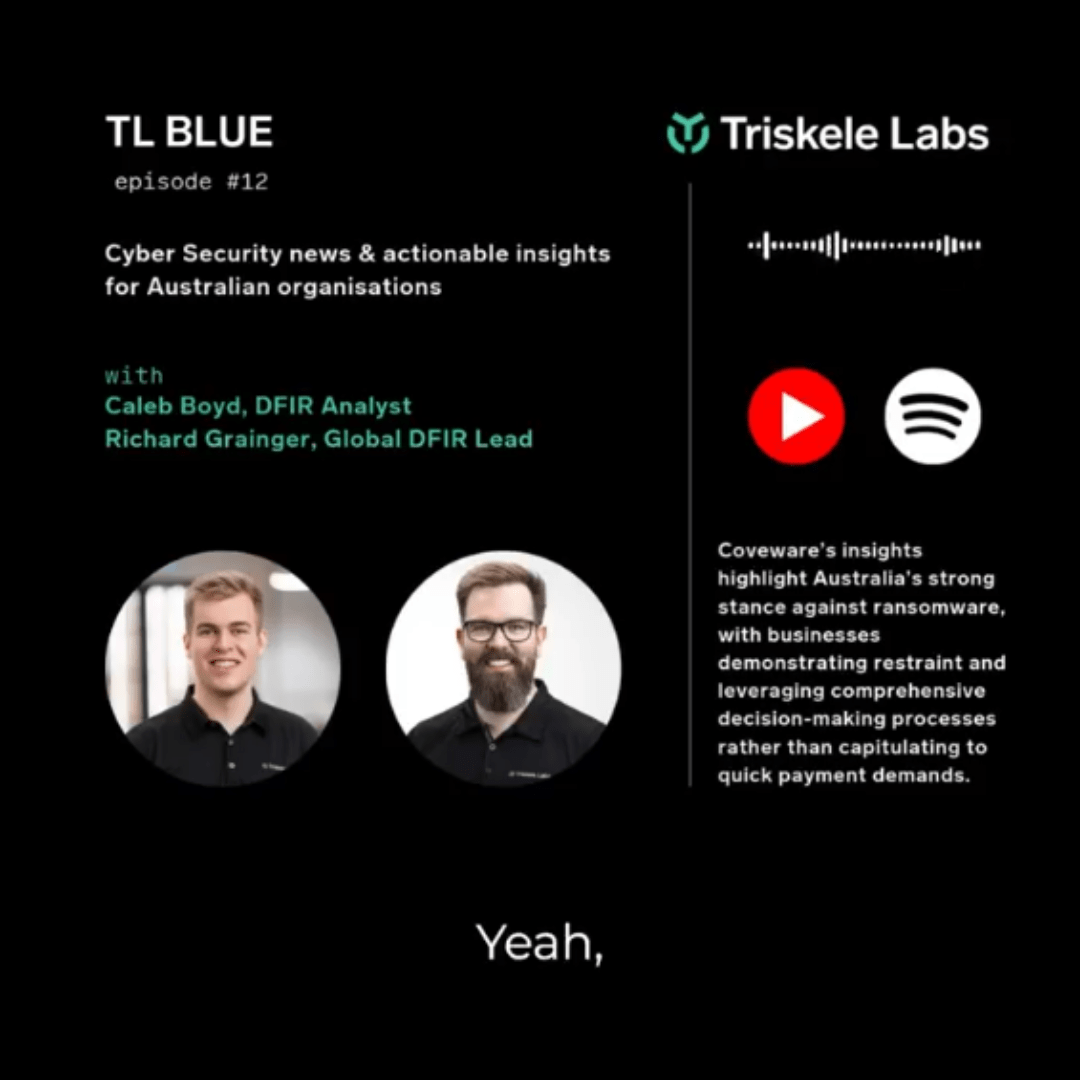
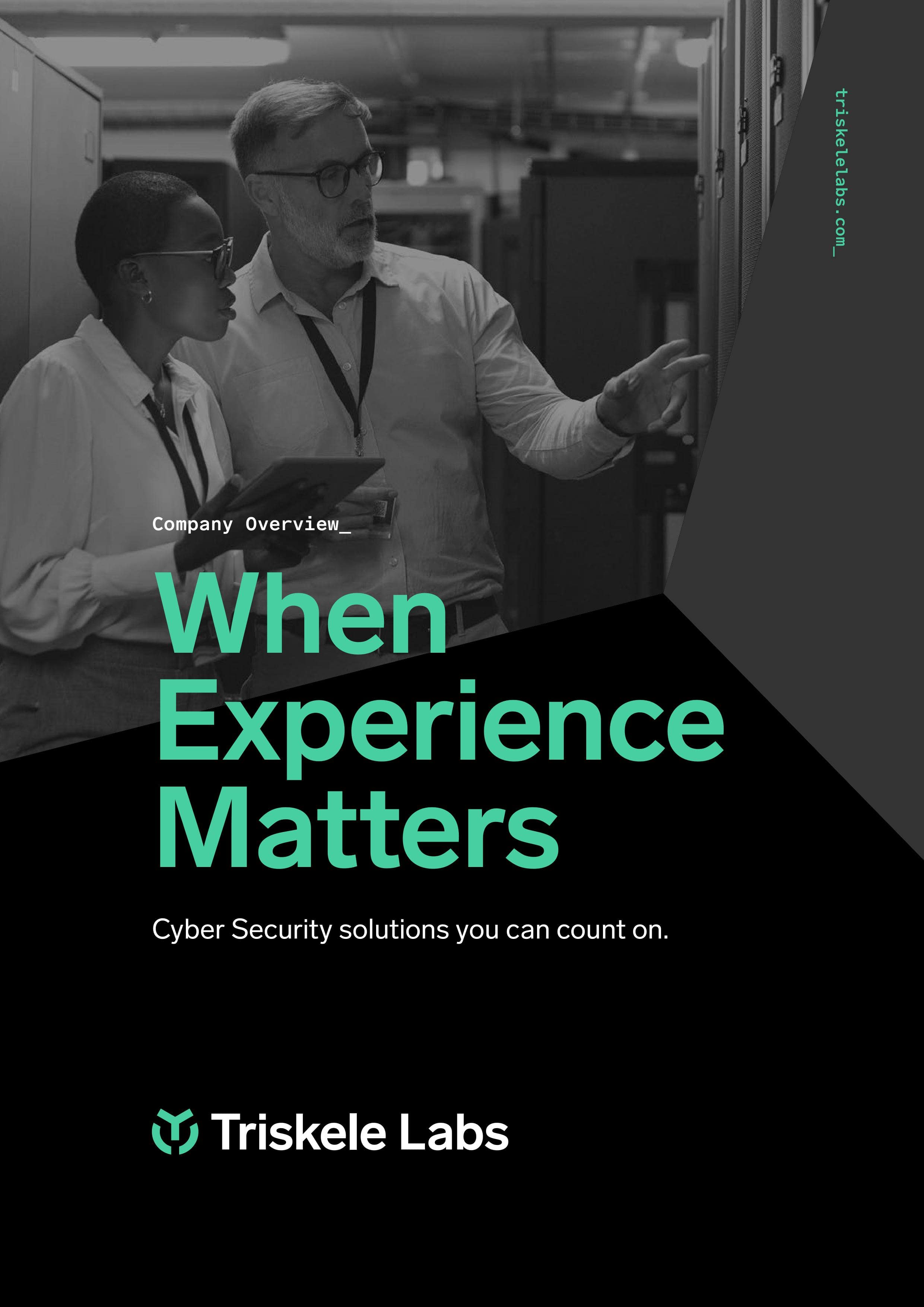
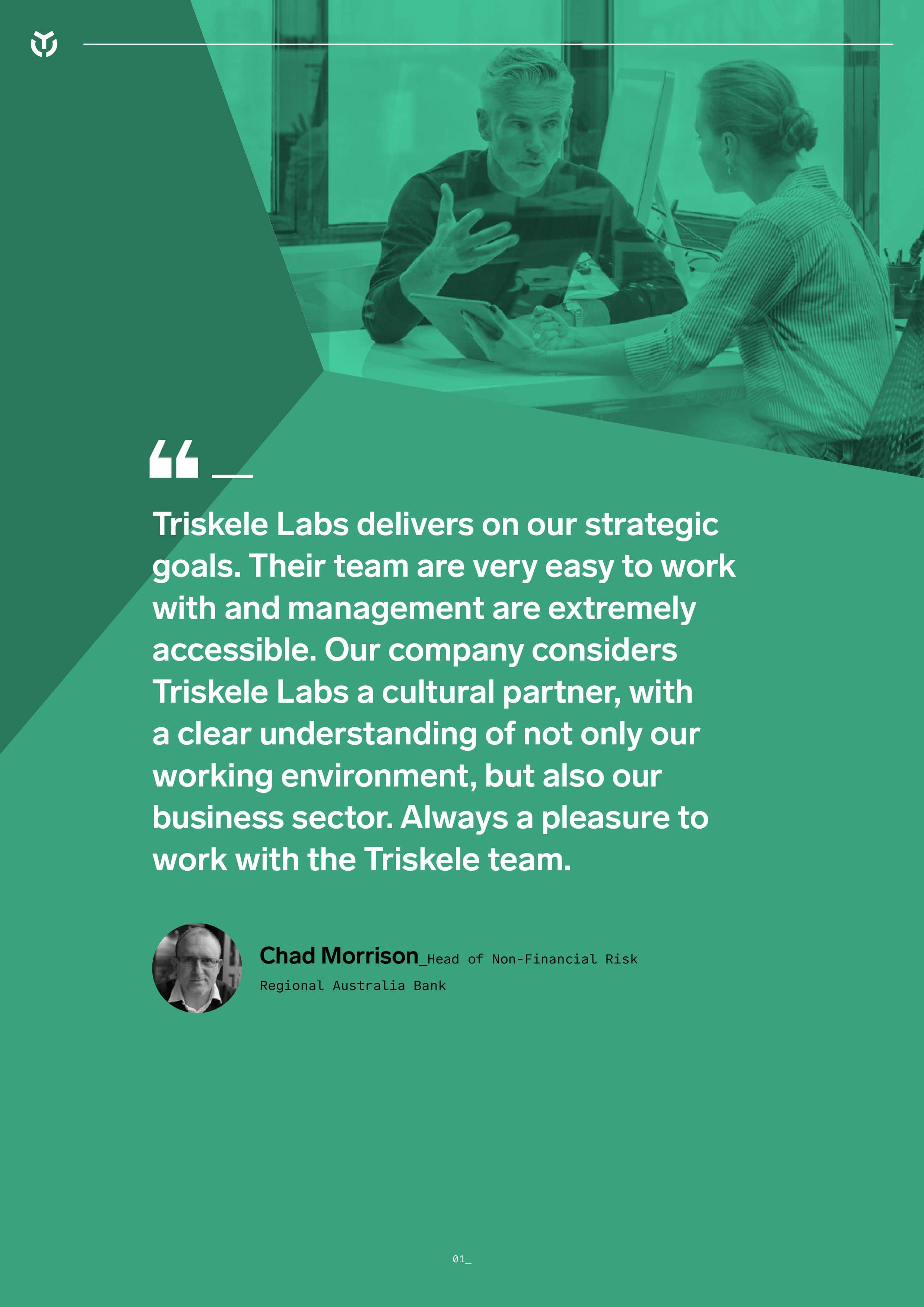
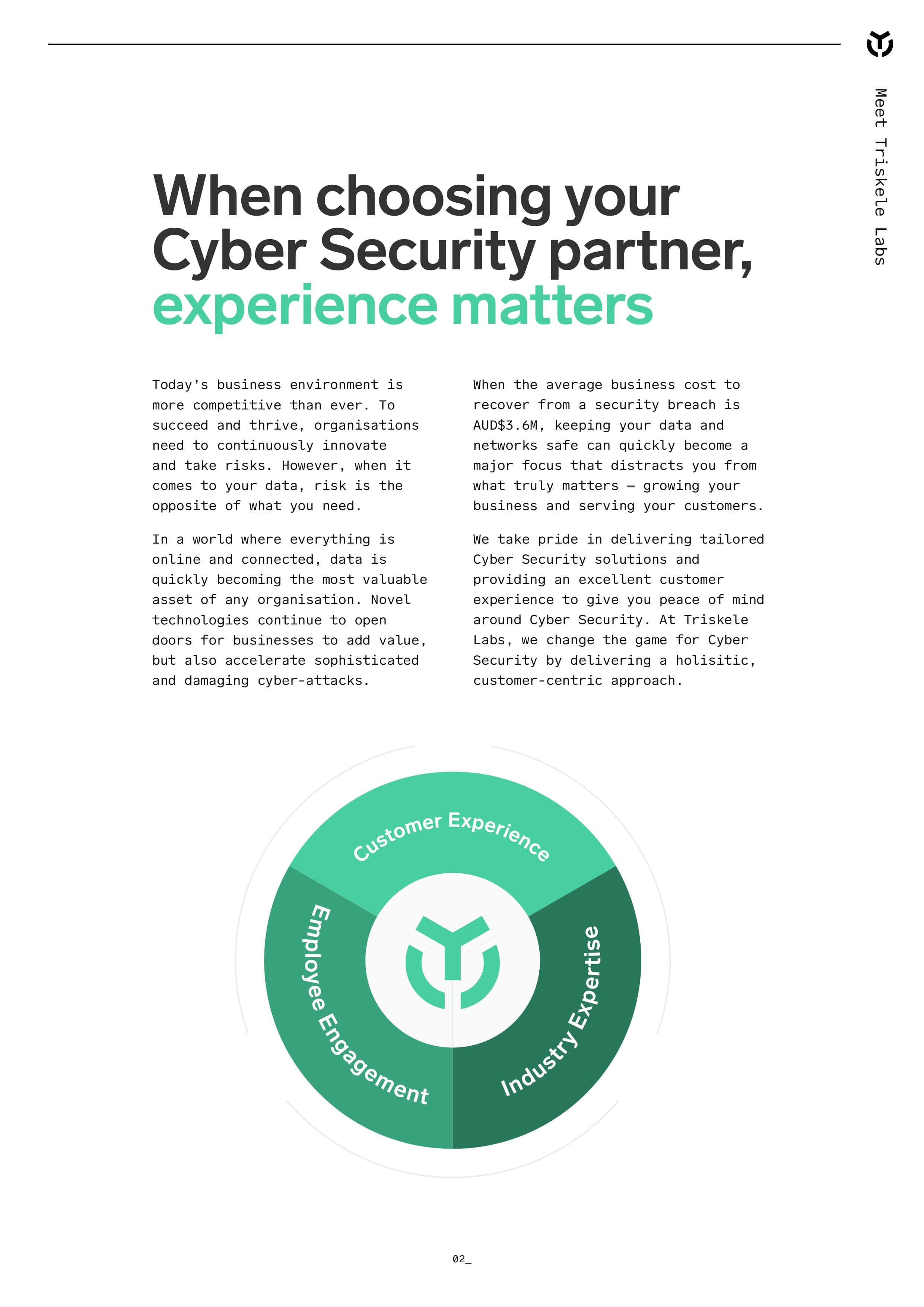
AD Creatives



◦ 09 // Conclusion
Key Success Factors:
Professional Credibility
Psychology Application
Differentiation Strategy
Process Implementation
Data Optimization
Market Customization
Strategic Impact: Triskele transformed from struggling sales conversion to market-leading proposal performance, establishing sustainable competitive advantage through professional presentation while creating scalable growth foundation supporting their expansion from 2 to 80+ employees.
Future Roadmap: This sales enablement foundation enables Triskele to maintain market leadership while scaling operations efficiently, with professional materials becoming their primary competitive differentiator and enabling selective high-value client engagement.